
姓名: AfrikaBambaata 英文名:- 性别:- 国籍:- 出生地:- 语言:- 生日:- 星座:- 身高:- 体重:-
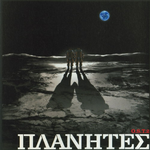
A seminal Bronx DJ during the 1970s, Afrika Bambaataa ascended to godfather status with Planet Rock, the 1982 hip-hop classic which blended the beats of hip-hop with techno-pop futurism inspired by German pioneers Kraftwerk. Even before he began recording in 1980, Bambaataa was hip-hops foremost DJ, an organizer and promoter of the large block parties during the mid- to late 70s which presaged the rise of rap. After the success of Planet Rock, he recorded electro-oriented rap only sparingly, concentrating instead on fusion — exemplified by his singles with ex-Sex Pistol John Lydon and fellow godfather James Brown. Bambaataa had moved to the background by the late 80s (as far as hip-hop was concerned), but the rise of his Zulu Nation collective — including De La Soul, Queen Latifah, A Tribe Called Quest, and the Jungle Brothers — found him once more being tipped as one of raps founding fathers.Born in the Bronx on April 10, 1957, Afrika Bambaataa Aasim took his name from a 19th century Zulu chief. Beginning in 1977, Bambaataa began organizing block parties and breakdancing competitions around the Bronx. His excellent turntable techniques and knowledge of music led many to proclaim him the best DJ in the business (though Grandmaster Flash and DJ Kool Herc were more innovative), and his record debut — as a producer — came in 1980 with Soul Sonic Forces Zulu Nation Throwdown. The single was a rallying cry for the Zulu Nation, a group of like-minded Afrocentric musicians that only gained fame in the late 80s but had been influencing the rise of hip-hop crews since the late 70s.Aside from more production credits on several later singles during 1980-1981, Afrika Bambaataa didnt become an actual recording artist until 1982. He signed with Tommy Boy records and released his first single, Jazzy Sensation, early that year. Planet Rock followed in June and quickly exploded. Recorded with the help of producer/dancefloor authority Arthur Baker and assimilating the melody of Kraftwerks Trans-Europe Express, the single hit number four on the R&B charts (but missed the pop Top 40) and joined the Sugarhill Gangs Rappers Delight as one of the early classics of hip-hop. (Grandmaster Flashs The Message followed just three months later.) In the singles wake came dozens of electro groups and recordings, though none touched the quality of Planet Rock — except, perhaps, Bambaataas own follow-up, Looking for the Perfect Beat. Out of those electro groups came several predominant dance styles of the 1980s and 90s: Detroit techno, Miami bass, and, to a more limited extent, Chicago house.Freed somewhat by his new-found popularity, Afrika Bambaataa began branching out in 1984, recording Unity with help from James Brown and World Destruction with John Lydon (as Time Zone). That same year, Bambaataa delivered an album debut of sorts, Shango Funk Theology, recorded as Shango with Material personnel Bill Laswell and Michael Beinhorn. A virtually LP-length single titled Funk You! appeared in 1985, after which Bambaataa recorded his proper album debut, Beware (The Funk Is Everywhere). He left Tommy Boy in 1986 after an album compilation of Planet Rock mixes, and signed with Capitol. The first album release for the label was 1988s The Light, recorded as Afrika Bambaataa & the Family, which included contributions from George Clinton, UB40, Bootsy Collins, and Boy George. Three years later, Bambaataas third album, 1990-2000: Decade of Darkness, was released on Capitol, coinciding with his career retrospective Time Zone, released on his own Planet Rock Records. Bambaataa recorded erratically during the 90s, but returned to the mainstream in 1997 with Zulu Groove. The new millennium brought the release of Hydraulic Funk on Strictly Hype, and Electro Funk Breakdown followed in early 2001.